News > Legislation

Duty to fall on low strength beers

By Ewan Turney, 30-Nov-2010

Related topics: Legislation, Pubs & Bars, Alcohol

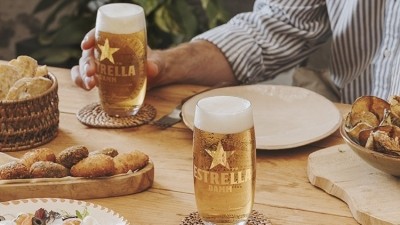
The Government is to increase duty on beers over 7.5 per cent abv but will reduce duty on beers under 2.8 per cent abv at the next budget in March.

Lower-priced low-alcohol beer is a welcome move for the pub industry

Lower-priced low-alcohol beer is a welcome move for the pub industry

The Treasury today published its review of alcohol taxation report, but duty remains unchanged on spirits and wines and the report fails to address the proposed ban on below cost sales of alcohol in the off-trade.

The review said the extra duty on high strength beer was aimed at targeting “the consumption of cheap, ‘super strength’ lagers that are also associated with high, and dangerous, levels of alcohol consumption”.

It added: “Changes will also be made to introduce a reduced rate of duty on beers produced at an alcohol strength of 2.8 per cent abv or below. This measure will help encourage the production and consumption of lower strength beers and give responsible drinkers additional choice."

It said the size of the duty increase on high strength beers and duty decrease on low strength would be about the same and further details would be set out in the draft Finance Bill on 9 December.

Missed opportunity

The Association of Licensed Multiple Retailers said the review was a “missed opportunity” to make a meaningful difference to the “pocket money prices” being charged by supermarkets.

“We have been arguing for some time that duty is a blunt instrument and is ineffective in regulating the price at which alcohol is sold,” said ALMR head of communications Kate Nicholls.

“This review was a unique opportunity to address that and has failed to deliver on the Government’s pledge to tackle irresponsible promotions and ban below cost selling.

“Today’s report acknowledges that alcohol prices in supermarkets have not risen by as much as alcohol duties over recent years and in contrast prices in pubs have risen by much more than duty.

“As a result, consumption has simply switched away from a supervised environment.

"The fact that policy makers now clearly understand these market dynamics is welcome, the fact that they have failed to act to address them — particularly on the same day that the Public Health White Paper is to be published — is a telling indictment.”

Campaign for Real Ale chief executive Mike Benner said the tax on beers above 7.5 per cent was disappointing but was pleased with the news on low strength beers. “Reduced tax on low strength beers is good news for pub goers at a time when 29 pubs are closing every week. This move will incentivise brewers to invest in producing new low strength real ales packed full of flavour.”
He said CAMRA would push for the 2.8 per cent abv cap on a different duty rate, set by the EU, to be increased to 3.5 per cent abv.

Welcome signs

The British Beer and Pub Association welcomed the move. “We are pleased that the Government has decided to reduce duty for beer below 2.8 per cent,” said chief executive Brigid Simmonds. “This will provide a welcome incentive for further investment in these beers, and encourage people to choose lower-strength drinks.

“There are also welcome signs that when it comes to beer and other lower-strength drinks, the Government recognises that moving towards duty based solely on alcohol content across all drinks would ‘significantly penalise responsible drinkers’.

“It is also encouraging to see an explicit recognition that pubs are hit far more than supermarkets when it comes to duty increases.

“However, when it comes to the increase in duty on higher-strength beers, these account for less than half of one per cent of total alcohol sales, and less than one per cent of beer sales. Duty rates remain untouched for higher strength drinks such as spirits and wine.

“Overall, we need a duty system that nudges consumers to choose lower-strength, pub-based drinks such as beer. It would create a win-win situation — a more balanced system of alcohol taxation that would bring in more revenues, and create up to 30,000 jobs in the UK.”

Ewan Turney is web editor of BigHospitality's sister pubilcation The Morning Advertiser.

BigHighlights

Pearls of Wisdom: Jeremy Lee

Pearls of Wisdom: Jeremy Lee

The newly-installed head chef and partner at Quo Vadis in London reflects on his Soho surroundings after...

Business Profile: Peach Pub Company

Business Profile: Peach Pub Company

Nick Clegg's vision of a 'John Lewis economy' has caused much discussion of employee ownership in the...

Career Profile: Sudha Saha

Career Profile: Sudha Saha

Chef Sudha Saha has an impressive culinary career. At 17, he was given a place to train...

London Fashion week at The May Fair and Trendy Cocktails at The Fifth Floor Bar
IDEAS FROM YOUR PEERS

London Fashion week at The May Fair and Trendy Cocktails at The Fifth Floor Bar

Restaurants, hotels, pubs and bars including The May Fair, The Fifth Floor Bar, The Mulroy and Jurys...

How to manage your hospitality business’s online reputation: Why you need to watch the web

How to manage your hospitality business’s online reputation: Why you need to watch the web

The internet has become something of a mixed blessing for owners of hotels, restaurants and pubs. On...

Find us on Facebook